An interactive ocean storyThe Poison L.A. Thought It Had Thrown Away
1 / 8
Before the L.A. mystery

Soโ€ฆ what is DDT?

DDT is a man-made insecticide. It kills insects by disrupting their nervous systems. At first, people saw DDT as a major scientific breakthrough because it could kill mosquitoes and lice that spread deadly diseases.
Want the backstory? Click the big photo to travel through DDTโ€™s real history.
By 1972, DDT was banned for nearly all U.S. crop uses. So the problem was overโ€ฆ right?
Research: U.S. EPA ยท CDC ยท Nobel Prize ยท Smithsonian Institution ยท U.S. Fish & Wildlife Service
History unlocked. Now click NEXT to find out where some of that DDT went.
2 ยท Before the ban ยท Two dumping routes

How did DDT get into the ocean?

This happened south of Los Angeles.
Big idea:People wrongly thought the ocean was so big that pollution would disappear.
WHERE?

South of L.A.: Torrance on land, Rancho Palos Verdes by the coast, and Santa Catalina Island farther offshore.

Map showing Torrance, Rancho Palos Verdes, and Santa Catalina Island
One-click reveal
START HERE
TAP THE BARREL

How did DDT reach the ocean?

Tap the glowing barrel to reveal the two routes.

You discovered both routes.Next: dive below the clean-looking surface.
3 ยท Dive down
It looked safe

The water looked clean.

The ocean surface looked blue, clear, and safe. But that did not mean the DDT was gone.
LOOKED CLEAN But the DDT was hiding below.
DDT stuck to tiny particles, sank downward, and settled into the seafloor mud. Clean-looking water does not always mean a clean ocean.
The danger was hidden.The water above could still look beautiful even while polluted mud sat on the bottom.
Tap the yellow button once. Youโ€™ll dive to the bottom and uncover what is hiding in the mud.
surface
mud
Dive meter
0 ft
Tap once to start the dive.
You found the hidden pollution.Next: see how it moves through animals.
4 ยท Follow the food

One bite passed the pollution along.

DDT moved from seafloor mud into tiny animals, then fish, then sea birds, and finally people.
Food-web challengeTap each real photo in order and watch the yellow pollution dot move up the food web.
Tap mud โ†’ tiny animal โ†’ fish โ†’ sea bird โ†’ people.
Food-web challenge
Step 1 of 5
5 ยท Sea birds were hurt too

How did DDT hurt sea birds?

DDT moved up the food web from fish into birds. The damage showed up in their eggs.
Follow the three-step story below.
A hidden chain reaction
1
eggs in a nest
Eggshells got thinnerA DDT breakdown chemical called DDE made some birds' eggshells weak.
2
pelican chick in a nest
Fewer chicks hatchedThin eggs could crack before the chicks inside were ready.
3
bald eagles on a nest
Bird numbers fellWhen this happened year after year, some local bird populations crashed.
DDT did not have to look dangerous to be dangerous.The ocean could look clean while pollution was still moving through the food web.
6 ยท Road to recovery

How did sea birds come back?

Birds came back, but only after people stopped the harm and helped them recover.
Follow the three steps in the comeback story.
Bird comeback
Then โ†’ recovery
young pelicans in a nest
1970: nests were failing On Anacapa Island, 552 brown pelican nesting attempts produced only 1 surviving chick.
brown pelican perched by the coast
Pelicans returned to the islands After DDT was banned, eggs became stronger and more brown pelican chicks survived.
Pelican recovery was slow, but it showed that nature can bounce back.
Pelican comeback
Three things helped pelicans come back. It took cleaner habitats, safer nests, and time.
1
Stop the pollutionWhen DDT use was banned, fewer new chemicals kept reaching the ocean food web.
2
Protect pelican nestsScientists watched nesting colonies and gave pelicans safer places to raise chicks.
3
Wait for a new generationAs more chicks survived year after year, pelican numbers slowly rose.
Cleaner ecosystems can help wildlife recover โ€” even after serious damage.
7 ยท DDT and people

Could DDT reach people?

Yes โ€” through some contaminated fish.
Main risk: eating certain local fish often โ€” not swimming.
DDT & people
DDT warning sign A warning
Signs warned people about contaminated fish. Old DDT could still be hiding in the food web.
fish served as a meal The main route
Fish could carry DDT into a meal. Eating certain local fish often was the bigger concern.
WHAT CAN HIGH DDT EXPOSURE DO?
1Headache & nausea
2Shaking or seizures
3Long-term risks
Too much DDT at once can affect the brain and nerves. Repeated exposure over many years can affect the liver, and scientists are concerned about cancer and reproductive effects.
1972
DDT was banned. Risk dropped a lot. Fish warnings still protect people where old pollution remains.
8 ยท DDT today

The DDT story is not over.

Decades after the dumping stopped, DDT and its breakdown products can still move through Southern California's food web.
Meet three animals still connected to this old pollution.
California sea lion NOAA Fisheries
SEA LIONS
About 1 in 5
adult stranded sea lions examined after death had a deadly reproductive cancer.

DDT and PCB exposure can raise the risk, together with a sea-lion herpesvirus. The pollution is one part of a bigger cancer story.

Bottlenose dolphin NOAA Fisheries
DOLPHINS
DDT-related chemicals are still found in Southern California dolphins.

Scientists have identified many persistent DDT-related compounds in their blubberโ€”evidence that the old pollution is still moving through the ocean food web.
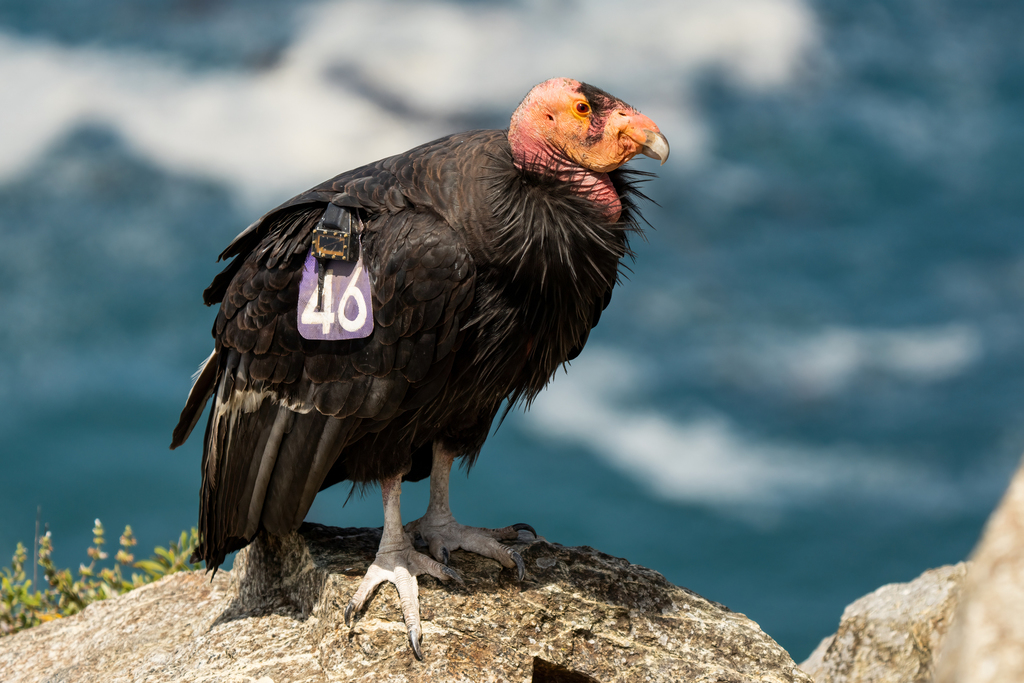
California condor California condor
CONDORS
The pollution can even move from the ocean onto land.

Coastal condors that eat dead marine mammals can pick up DDE, a DDT breakdown product that may threaten eggshells and reproduction.

โ†ป
Why does this last so long?DDT breaks down very slowly. Old pollution can stay in sediment, enter animals, and keep moving through the food web for decades.